
Planning a Wedding Timeline | Charleston Wedding Guide

Planning a Wedding Timeline | Charleston Wedding Guide: A Photographer’s Guide to a Stress-Free Wedding Day
A wedding day doesn’t run on instinct—it runs on rhythm.
The difference between a day that feels rushed, chaotic, and stressful and one that feels intentional, grounded, and beautiful almost always comes down to one thing: a well-built wedding timeline.
As a wedding photographer, I’ve seen both ends of the spectrum. The weddings that feel effortless aren’t luckier—they’re simply structured in a way that protects time for what actually matters: connection, presence, and space to breathe.
If you’re wondering how to create a wedding timeline that feels relaxed rather than rushed, you’re in the right place.
This guide will walk you through how to create a wedding timeline that works in real life—not just on paper. You’ll learn how to build a timeline from scratch, how much time each part of the day actually requires, common mistakes couples make, and how to create a wedding day timeline that leaves room for both beautiful photographs and meaningful moments.
You’ll Learn:
- How to build your timeline from scratch
- What each part of the day actually takes (realistic timing)
- Sample timelines for different wedding sizes
- First look vs. no first look breakdowns
- Common timeline mistakes couples make
- A downloadable wedding timeline template
- Frequently asked questions about wedding day timelines
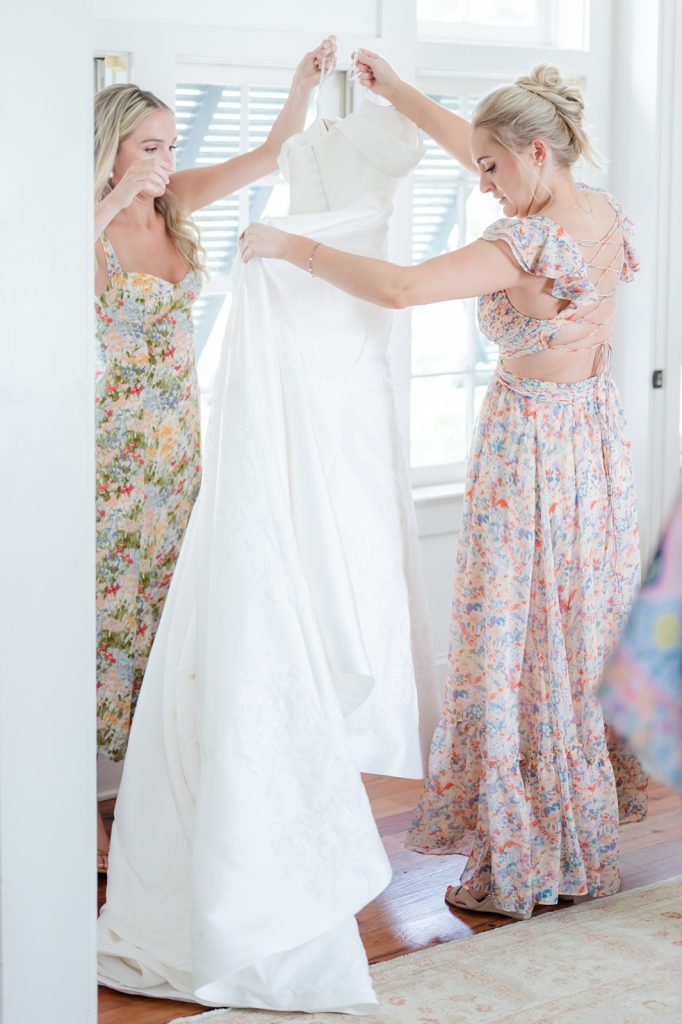
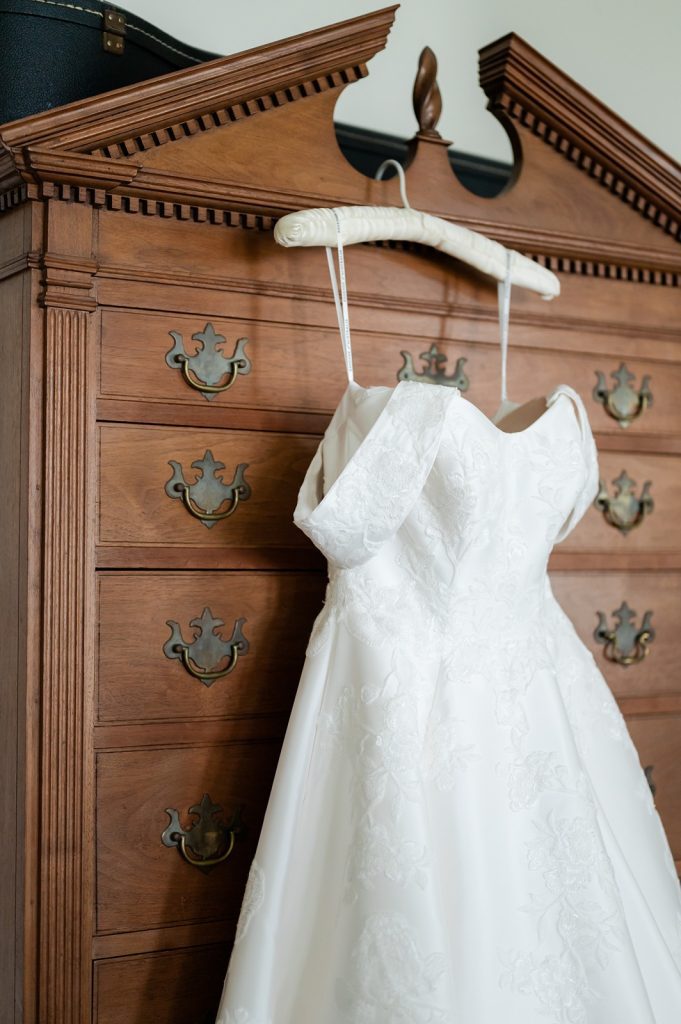
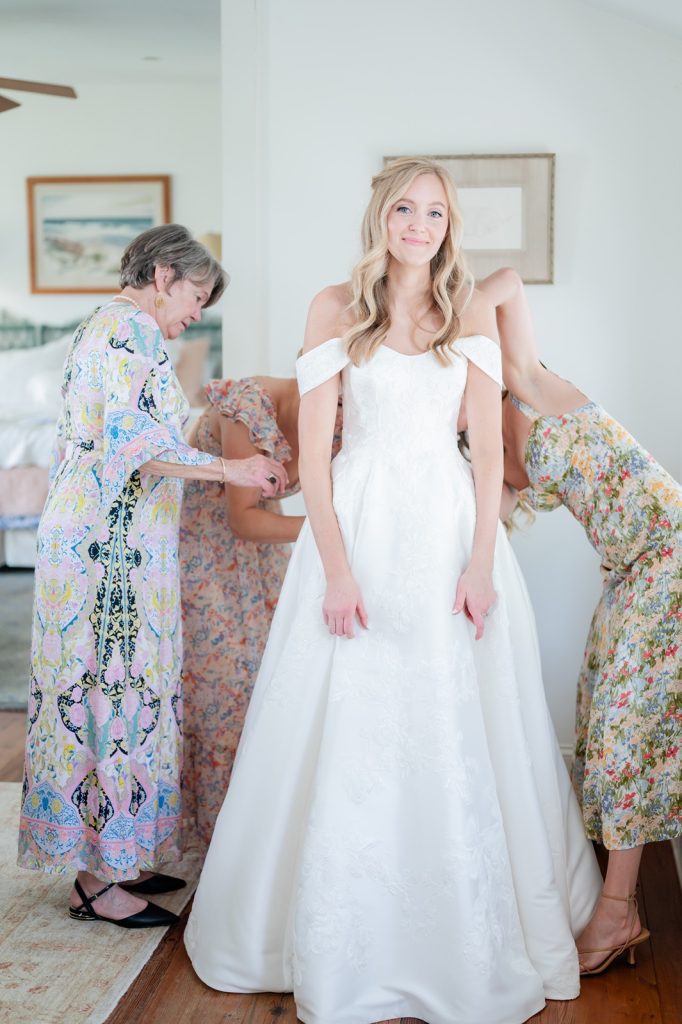
Many couples planning a Charleston wedding discover that their timeline needs more flexibility than they initially expected. Historic venues, guest transportation, seasonal heat, and the timing of sunset all play a role. Whether you’re getting married downtown, on the water, or at a private estate, knowing how to create a wedding timeline that accounts for Charleston’s unique logistics can make the entire day feel more relaxed.
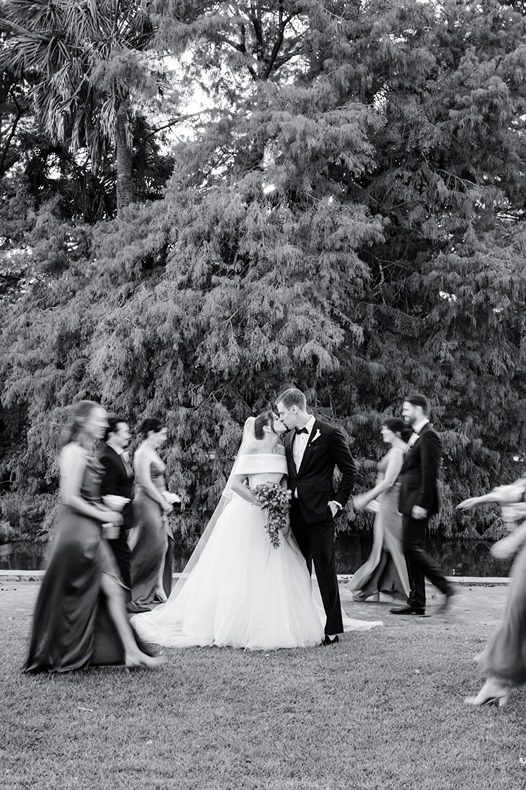
Why Your Wedding Timeline Matters More Than You Think
Your timeline isn’t just logistics.
It influences:
- How relaxed you feel getting ready
- Whether portraits feel rushed or joyful
- Whether you have time for sunset photos
- How much of cocktail hour you actually enjoy
- Whether your day feels like it’s happening to you or with you
Weddings run on transition time, not event lists.
Most timeline issues come from one misunderstanding:
Every small gap—walking between locations, gathering family members, bustling a dress, waiting for transportation, greeting guests—takes longer than couples expect.
That’s why the strongest wedding timelines build in breathing room, not just scheduled events.
Step 1: Start With Your Ceremony Time
When learning how to create a wedding timeline, begin with the one thing that anchors the entire day: your ceremony
The Three Decisions That Shape Your Entire Timeline
- Ceremony start time
- Sunset time
- First look vs no first look
Everything else begins to fall into place.
The biggest timeline decision you’ll make is whether portraits happen before or after the ceremony. That single choice influences the flow of your entire wedding day.
When creating a Charleston wedding timeline, I always recommend checking sunset time before finalizing any major events. Charleston’s beautiful coastal light is one of the reasons couples choose to get married here, and building your timeline around it can make a significant difference in both your experience and your photographs.
Step 2: Understand Real Wedding Day Timeline Timing (Not Pinterest Timing)
Here’s what these moments typically take on a real wedding day:
Getting Ready
- Hair and makeup: 3–4 hours
- Getting dressed: 20–40 minutes
- Detail photos: 30–60 minutes
Photography Coverage
- First look: 10–20 minutes depending if vows are read to one another
- Couple portraits: 20–40 minutes. These include some solo portraits of the bride and of the groom
- Wedding party photos: 30–45 minutes
- Family photos: 30–60 minutes
Ceremony
- Ceremony length: 15–60 minutes
- Guest transition time: 15–30 minutes
Reception
- Cocktail hour: approximately 60 minutes
- Reception events: structured in flexible blocks rather than rigid minute-by-minute scheduling
Why Wedding Timelines Run Behind Schedule
The most common timeline mistake I see isn’t scheduling too little time for the ceremony or reception—it’s underestimating how long everything actually takes in real life.
Photography coverage is often where timelines quietly run over. Family photos take longer than expected because people need to be gathered. Wedding party portraits require coordination. Even a short walk between locations can add several minutes without anyone realizing it.
And then there’s getting ready.
Hair and makeup almost always run slightly behind, even with the best planning. The moment you start getting dressed, everything slows down in the best and most human way—buttons take longer to fasten than you expect, a zipper catches, a bow tie needs to be retied twice, and someone is always looking for something that was left back at the getting-ready space or Airbnb.
None of this is stressful on its own—but it becomes stressful when there’s no time built in for it.
Building extra space around portraits and getting-ready moments creates a more relaxed experience and allows for genuine moments rather than rushing from one event to the next.
Step 3: Build Your Timeline in Logical Blocks
Rather than focusing on exact times immediately, think in phases.
1. Getting Ready Block
Hair, makeup, details, and the quiet anticipation of the morning.
2. Portrait Block
First look, couple portraits, and wedding party photos
3. Ceremony Block
Guest arrival, ceremony, and post-ceremony transitions.
4. Social Block
Cocktail hour, family photos, and meaningful time with guests.
5. Celebration Block
Dinner, toasts, dancing, and the moments you’ll remember long after the day ends.
Thinking in blocks helps create an emotionally balanced day—not just a scheduled one.
Sample Charleston Wedding Timelines
6-Hour Intimate Wedding Timeline With a First Look
Perfect for intimate weddings with no wedding party and/or private estate celebrations.
2:00 PM – Bride gets dressed
2:30 PM – Travel to First Look
2:45 PM – First Look and Couple Portraits
3:30 PM – Immediate Family Photos
4:00 PM – Ceremony/ Reception details (built-in wiggle room in case anything is running late)
4:30 PM – Ceremony
5:00 PM – Cocktail Hour/ extended family photos
5:30–6:00 PM – Guest Mingling
6:00 PM – First Dances
6:30 PM- Dinner seated and toasts
7:30 PM – Cake cutting and dancing
8:00 PM – Photographer leaves
8-Hour Wedding Timeline With a First Look
One of the most common Charleston wedding timelines includes 75–125 guests, a late-afternoon ceremony, and enough flexibility to enjoy cocktail hour, portraits, and sunset photographs without feeling rushed.
1:00 PM – Detail Photos/ Girls Getting Ready
2:00 PM – Bridesmaids PJS Photos
2:15 PM – Bride gets dressed
2:00 PM – Groom and groomsmen getting Ready Coverage
2:45 PM – First Look/ Bridal & Groom Portraits
3:30 PM – Wedding Party Photos
4:00 PM – Immediate Family Photos
4:30 PM – Ceremony/ Reception detail photos
5:00 PM – Ceremony
5:30 PM – Cocktail Hour and Family Photos
6:30 PM – Reception Begins
7:45 PM– Cake Cutting
8:00 PM – Sunset Photos
8:20 PM – Dancing
9:00 PM – Exit
10-Hour Wedding Timeline Without a First Look
Larger celebrations require additional structure and buffer time.
12:00 PM – Detail Photos/ Girls Getting Ready/ 2nd photographer captures guys
1:00 PM – Bridesmaids PJS/ champagne Photos
1:30 PM – Bride gets dressed
2:00 PM – Bridal portraits/ Bridal Party
3:00 PM – Bride’s Family photos front of house/Groom’s portraits with groomsmen back of house
3:20 PM – Ceremony/ Reception detail photos
3:30 PM – Groom’s Immediate Family Photos
4:00 PM – Ceremony
4:30 PM – Cocktail Hour and Extended Family Photos
4:30 PM – Wedding Party Photos
5:10 PM – Newlywed Photos
5:30 PM – Reception Begins
5:35 PM – Dinner
6:00 PM – Toasts
6:15 PM – Sunset Photos
6:30 PM – Sunset
6:30 PM – First Dances
6:45 PM– Cake Cutting
9:00 PM – Bouquet Toss
9:50 PM – Guests line up for exit
10:00 PM – Sparkler Exit/ Photography Coverage Ends
Charleston Wedding Timeline Tips
Every city presents its own logistical challenges, and Charleston is no exception.
Build Extra Time for Charleston Logistics
When creating a Charleston wedding timeline, I recommend building in additional buffer time for transportation, guest movement, and the unique logistics that come with getting married in a historic coastal city. Charleston’s cobblestone streets, popular wedding venues, seasonal traffic, and waterfront locations can all impact timing more than couples expect.
Charleston weddings require a little more thought than simply choosing a ceremony time and working backward. Sunset changes dramatically throughout the year, Daylight Saving Time affects how much evening light you’ll have, and an outdoor ceremony that feels perfect in November may leave guests sitting in direct afternoon sun during July.
I always encourage couples to consider seasonal daylight, guest comfort, transportation between locations, family photo logistics, and dedicated time for sunset portraits when building their wedding timeline. A little extra breathing room throughout the day allows you to enjoy your venue, spend time with your guests, and create beautiful photographs without feeling rushed from one event to the next.
Whether you’re celebrating downtown, at a waterfront venue, or on a historic estate, a thoughtful timeline creates a calmer, more enjoyable wedding day experience for everyone involved.
How Charleston Venues Affect Your Timeline
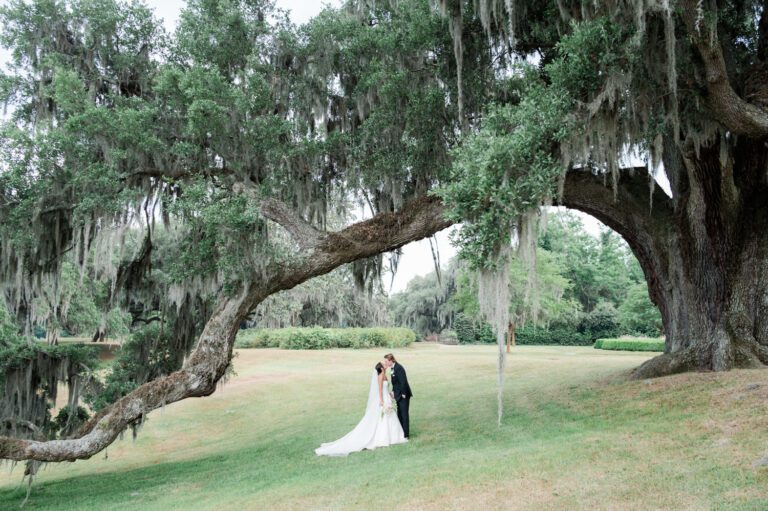
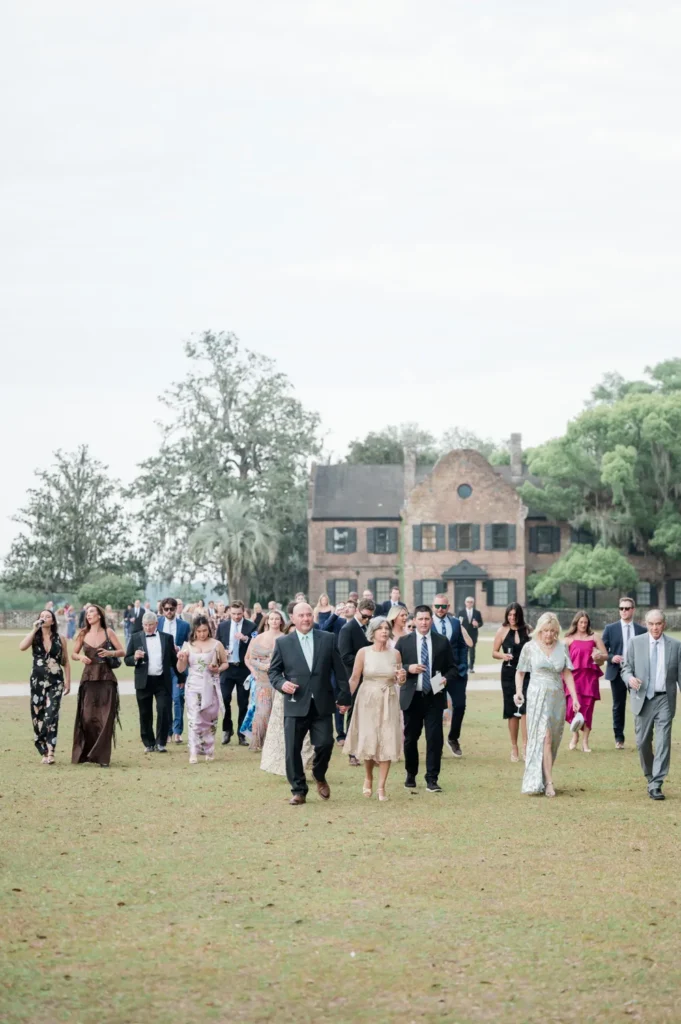
Every venue influences the flow of a wedding day differently. Historic estates often require more transition time to walk between ceremony and reception at some of the more spread-out venues, which you can see in this Middleton Place wedding weekend. Waterfront celebrations need a different approach to lighting and portraits, as seen in this Seabrook Island wedding.
First Look vs. No First Look
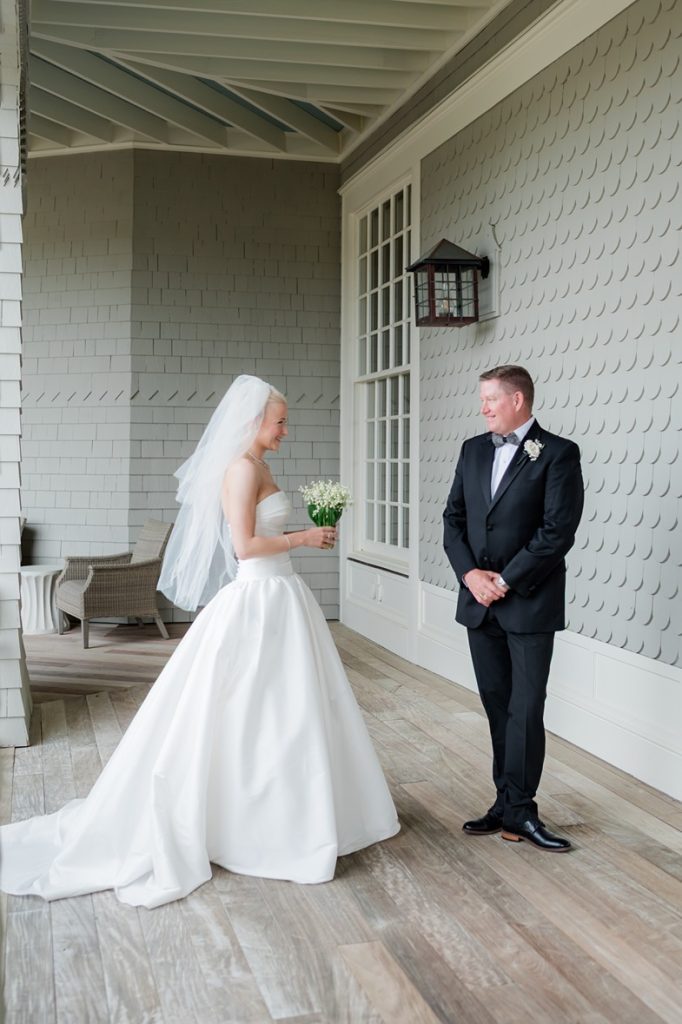
Benefits of a First Look
- More relaxed timeline
- Greater flexibility throughout the day
- More time with guests after the ceremony
- Better lighting options for portraits
Benefits of Not Doing a First Look
- Traditional ceremony reveal
- Anticipation leading into the ceremony
- Portraits concentrated after the ceremony
From a timeline perspective, a first look often returns 45–90 minutes of flexibility to your wedding day.
Common Wedding Timeline Mistakes
1. Underestimating Transitions
Walking, waiting, and gathering people take time.
2. Scheduling Everything Back-to-Back
Without buffer time, one delay affects everything that follows.
3. Forgetting About Sunset
The best light of the day deserves a place in your timeline.
4. Overloading Family Photos
Intentional groupings keep this portion efficient and stress-free.
5. Not Assigning a Family Photo Helper
Having someone who knows both families helps everything move faster.

Free Wedding Timeline Template
Whether you’re planning an intimate Charleston wedding or a large celebration with multiple locations, this template will help you build a wedding timeline with confidence.
What’s Included:
- Hour-by-hour timeline structure
- First look and no first look versions
- Buffer time recommendations
- Photography planning prompts
- Vendor coordination notes
Wedding Day Timeline Template (Photographer-Approved)
How Far in Advance Should You Create Your Wedding Timeline?
Most couples don’t need a finalized wedding timeline until about 4–8 weeks before their wedding day, once key details such as ceremony timing, transportation, vendor arrival times, and reception plans have been confirmed.
That said, it’s never too early to start thinking about the overall flow of your day.
As soon as you’ve booked your venue, it can be helpful to decide whether you’d like a first look, estimate your guest count, and consider the type of experience you want to create. Do you envision a relaxed morning with plenty of time to get ready? A private first look before the ceremony? A sunset portrait session? These decisions all influence your timeline long before the final schedule is created.
I typically work with my couples to refine their photography timeline approximately 6–8 weeks before the wedding. By that point, we know the ceremony time, sunset time, venue logistics, and most of the details that affect the flow of the day.
Once your timeline is finalized, share it with your planner, photographer, venue coordinator, transportation company, hair and makeup team, DJ or band, caterer, and any other key vendors. When everyone is working from the same timeline, communication is smoother, transitions feel more seamless, and your wedding day is far less likely to encounter unnecessary stress or delays.
The goal isn’t to plan every minute months in advance. It’s to create a thoughtful timeline once the pieces are in place so your wedding day feels organized, flexible, and enjoyable rather than rushed.
Frequently Asked Questions About Wedding Timelines
What is the ideal length of a wedding timeline?
Most wedding timelines range from 8–10 hours depending on guest count, travel, and overall wedding complexity.
What time should a wedding ceremony start?
Most ceremonies begin 2–3 hours before sunset for the best combination of lighting and timeline flexibility.
Do I need a first look for my wedding timeline to work?
No. A first look simply provides additional flexibility and reduces pressure after the ceremony.
How much time should be set aside for wedding photos?
Most couples should plan approximately:
- Couple portraits: 20–40 minutes
- Wedding party photos: 30–45 minutes
- Family photos: 30–60 minutes
Who creates the wedding timeline?
Typically, your wedding planner leads the overall timeline, while your photographer helps determine portrait timing, lighting considerations, family photo logistics, and the flow of key moments throughout the day. The strongest wedding timelines are created collaboratively between your planner, photographer, and vendor team.
Final Thoughts on How to Create a Wedding Timeline
Learning how to create a wedding timeline isn’t about scheduling every minute of your wedding day.
It’s about creating enough space to be fully present in it.
The best wedding timelines protect what matters most: meaningful conversations, time with family, beautiful photographs, and the freedom to experience the day as it unfolds.
Whether you’re planning an intimate celebration or a large Charleston wedding, a thoughtful timeline creates the foundation for a wedding day that feels calm, intentional, and genuinely enjoyable.
A thoughtfully planned timeline doesn’t just create a smoother wedding day. It creates space for the moments you’ll care about most years from now—the conversations, hugs, laughter, and quiet in-between moments that become part of your family’s story.
Because years from now, you won’t remember whether everything happened exactly on schedule.
You’ll remember how it felt.
And a great timeline helps create the space for those memories to happen naturally.

A timeline works best when it’s built together with the person documenting your day. You can see how I approach wedding days as a Charleston wedding photographer, and what a calm, well-paced schedule makes possible.